 TM
HHS Commits $27.8 Million to Older Adult Falls Prevention: What Home Care Teams Should Know
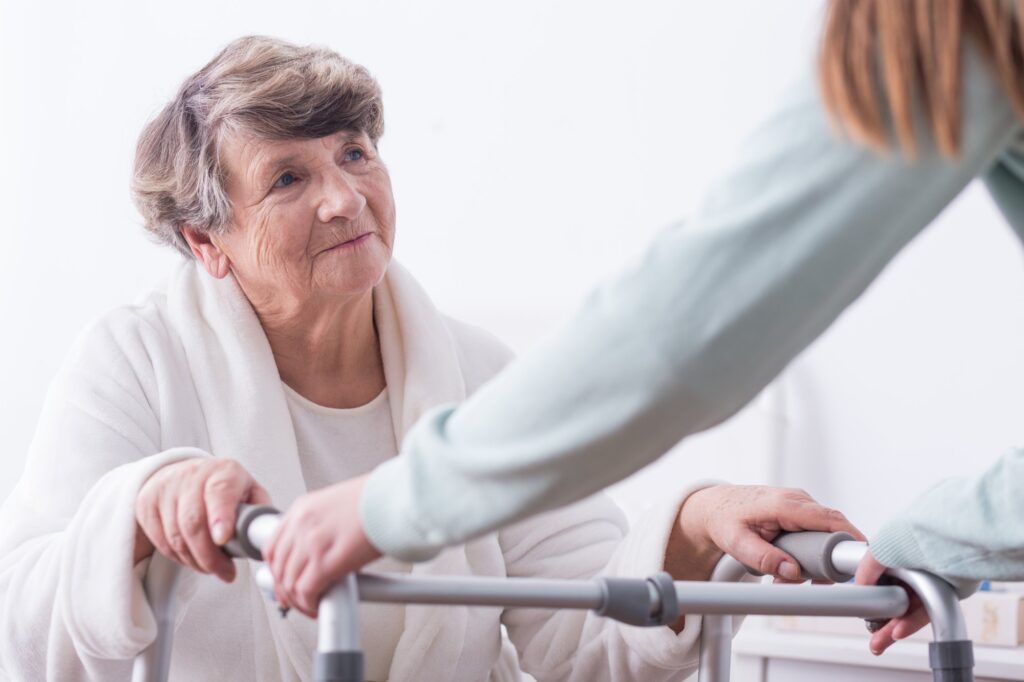
Older adult falls prevention just got a fresh round of federal money. On October 9, the U.S. Department of Health and Human Services, through the Administration for Community Living (ACL), announced recipients of three falls prevention initiatives worth up to $27.8 million over three years. The goal, in HHS's words, is to reach more older adults "before a fall leads to injury or loss of independence." For home care and home health teams, who see clients in the exact rooms where many falls happen, this is a development worth understanding.
Where the $27.8 million is going
The awards are built around two existing programs. STEADI (Stopping Elderly Accidents, Deaths and Injuries) is the CDC's initiative that helps health care providers screen for, assess, and address fall risk. Stepping On is an evidence-based community program that helps older adults improve strength and balance and deal with risks tied to medications, vision, footwear, and home safety. The National Council on Aging receives $4,781,733 to scale both through clinical-community partnerships in five geographies, using rapid cycle evaluation to improve the work as it grows. Eight organizations will receive awards of roughly $1.83 million to $1.94 million each, subject to availability of funds, to expand the programs statewide: Health Research, Inc. (New York), the Maryland Department of Health, Iowa Community HUB, AgeOptions (Illinois), Texas A&M University, Partners In Care Foundation (California), Central Maine Area Agency on Aging, and The Oasis Institute (Missouri). The National Council on Aging also receives $7.5 million to run a National Falls Prevention Resource Center that will offer training, tools, and technical assistance to aging and disability networks.
Why older adult falls prevention matters to home-based care
HHS says falls are the leading cause of injury for people 65 and older, that one in four older adults falls every year, and that nonfatal falls account for an estimated $80 billion in health care spending annually. The agency also notes that a fall can shake a person's confidence and make walking, shopping, or visiting friends harder. ACL Principal Deputy Administrator Mary Lazare framed the problem in a way home care leaders will recognize: "Knowing someone is at risk is only the first step. What makes the difference is a clear path from screening to support that people can trust and use." The effort is coordinated across ACL, CDC, HRSA, CMS's Center for Clinical Standards and Quality, the National Institute on Aging, and AHRQ under the National Falls Prevention Action Plan.
That "clear path" is where home-based teams can add real value, whether or not your state received a grant. A few practical steps: find out which local organizations offer Stepping On or similar evidence-based classes, often through your area agency on aging, and keep that list where coordinators and clinicians can reach it. Give caregivers a simple way to report what they notice in the home, such as loose rugs, poor lighting, a new unsteadiness, or a change in footwear, and make sure someone reviews those notes and follows up. If you operate in one of the eight funded states, it may be worth reaching out to the recipient organization to learn how referrals will work. Consistent visit records help here too. When schedules and completed visit notes live in one place, as they do in CareSync®, it is easier to see who was in the home, what they observed, and whether a follow-up actually happened.
None of this requires a new program on your end. It mostly means connecting what your staff already see during visits to the community resources that federal and state partners are now working to expand. On a related note, we are quietly building something for home health professionals who want to compare notes on practical topics like this one, and we hope to share more when it is ready.
Sources: U.S. Department of Health and Human Services, "HHS Announces Up to $27.8 Million for Falls Prevention" (October 9, 2026); McKnight's Long-Term Care News, "HHS to allocate up to $27.8 million over three years for three falls prevention initiatives" (October 9, 2026); The Well News, "HHS Announces $27M in Funding to Prevent Falls" (October 9, 2026).