
The Connected Home as a Care Platform: What Home Health Agencies Need to Know About Smart Technology
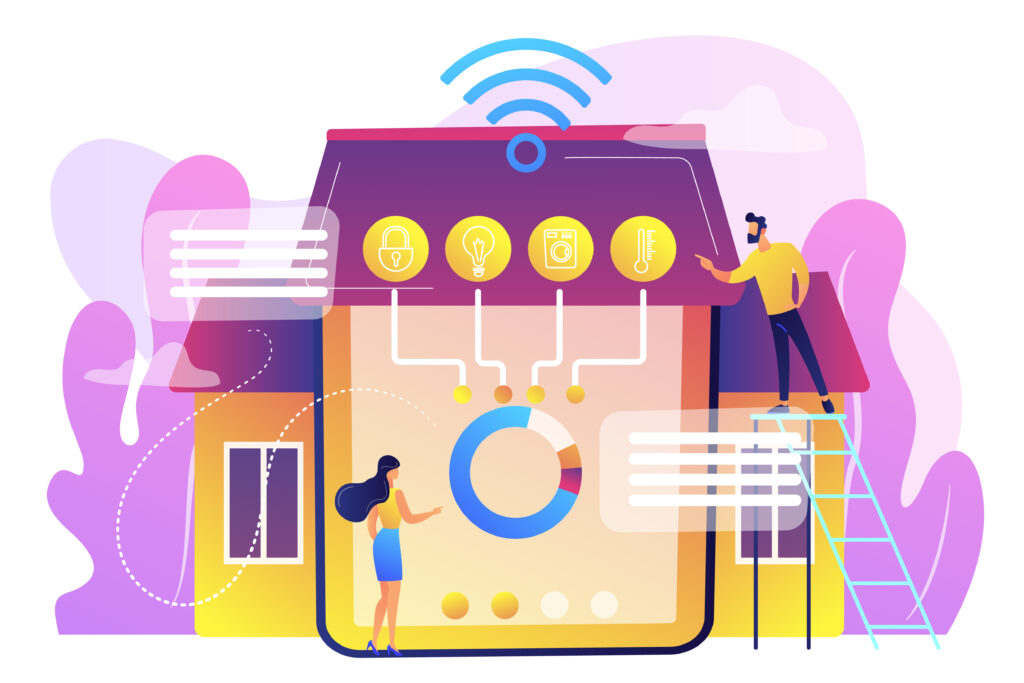
The home is no longer just where care happens — it is becoming the care platform itself. A recent analysis by Samsung Business Insights found that telehealth has evolved far beyond basic video calls into a fully integrated hybrid model combining virtual consultations, continuous monitoring, and in-person support. The smart home healthcare market alone is projected to reach $115 billion by 2031, growing at nearly 27% annually according to Mordor Intelligence. For home health agencies, this shift is not a distant future scenario. It is happening now.
What does this actually mean for the agency on the ground? Patients are increasingly equipped with wearable monitors, in-home sensors, and connected devices that stream real-time health data — blood pressure, glucose levels, fall detection, medication adherence. A 2026 review published in Frontiers in Public Health described this transition as an unprecedented revolution replacing conventional clinical-based systems with innovations in digital health. The question for agency owners is no longer whether to engage with connected home technology, but how to integrate it without adding operational complexity.
The agencies that are getting ahead share a common trait: they treat data from connected devices the same way they treat any other operational input — structured, actionable, and fed into their scheduling and care management workflows. When a patient falls outside normal parameters at 2 AM, the right system flags it to the clinical team automatically rather than waiting for a nurse to discover it on the next scheduled visit. That is the difference between monitoring that generates noise and monitoring that prevents crises.
CareSync™ was designed with this integration in mind from the start. The platform allows agencies to log patient observations, track care plan adherence, and coordinate clinical teams around real-time information — whether that data comes from a nurse visit or a connected device alert. You do not need to become a technology company to benefit from the connected home revolution. You just need operations infrastructure that can absorb new data streams without breaking.
The agencies that will thrive in the next few years are not necessarily the ones with the most advanced sensors or the biggest budgets for hardware. They will be the ones whose back-office systems can handle the influx of patient-generated data, turn it into clear clinical actions, and keep their care teams coordinated around what matters. The connected home is coming whether you prepare for it or not. The only real question is whether your operations are ready when it arrives.